
Infrastructure Is Never Neutral.
It speaks. It teaches. It shapes how people see themselves and one another.
I first visited Singapore on an international learning opportunity with the Lagos Business School. I was astounded by what Singapore’s infrastructure teaches us. This love note is about Singapore’s infrastructure via the Standard of Love (STOLO)—a method for civic architecture that is grounded in language, values, self-esteem, economic power, and justice. I’m going to wax poetic about how Singapore’s infrastructure reveals itself not just as technically advanced, but as a deeply intentional expression of care at scale. Let’s practice together.
I’ve considered these three infrastructure lessons from Singapore with an interpretation through STOLO’s five pillars.
Language: Infrastructure That Communicates Care, Not Control
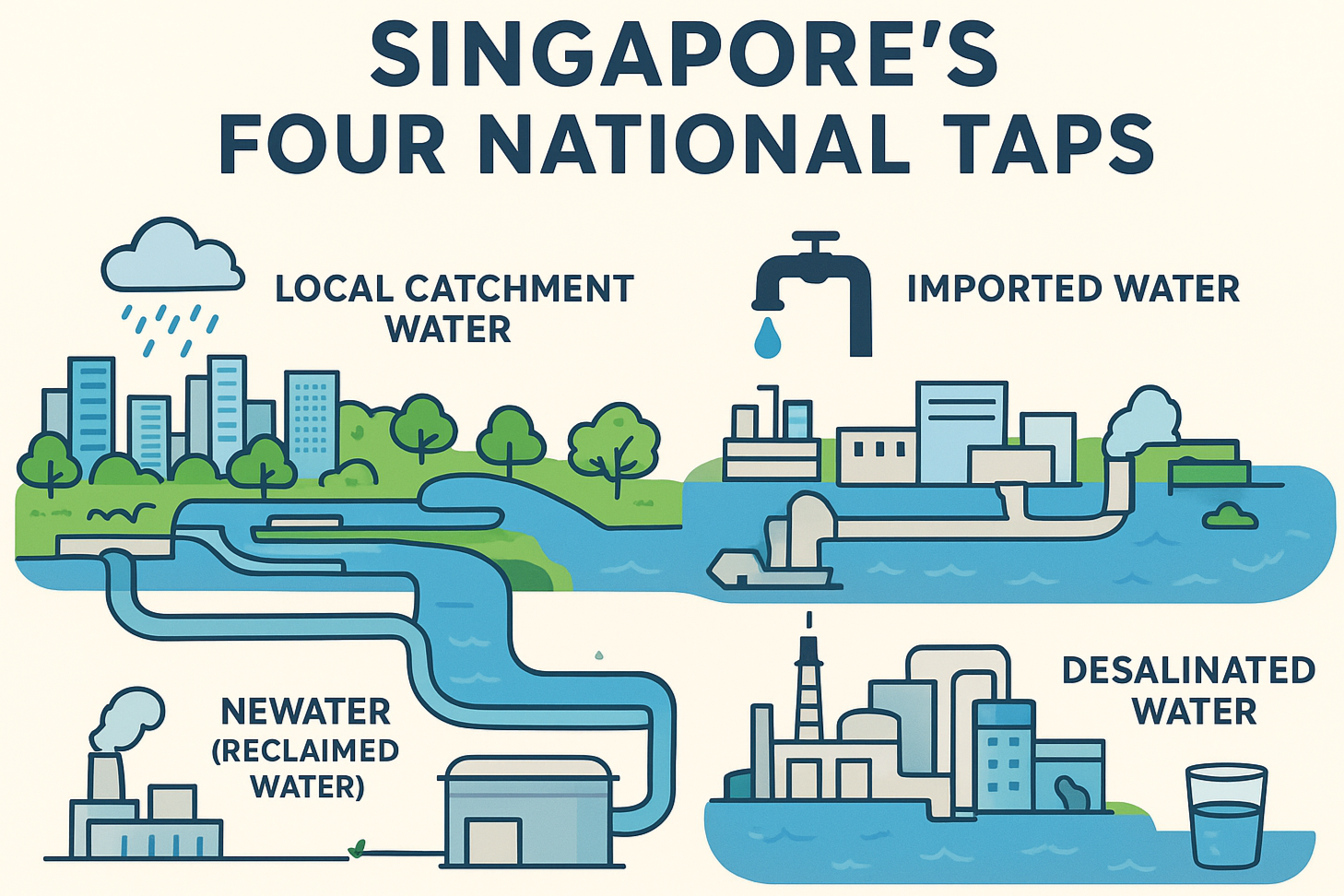
Singapore’s infrastructure is designed to be readable by the public!
Water systems are not hidden, Y’all! They’re named, explained, and made visible through the Four National Taps framework. Reservoirs become parks. Rainwater systems become learning environments. Even technical systems are framed in human language.
STOLO Insight:
Language shapes how people relate to power. When infrastructure uses clear, shared language, it shifts residents from passive users to informed stewards.
Under STOLO:
We use language that invites understanding, not mystification
We amplify familiar systems that explain themselves so people can trust them
Public infrastructure becomes a shared story, not an abstract authority
Singapore demonstrates that when people can name and see what sustains them, they are more likely to protect it.
Values: Designing Systems That Reflect Collective Responsibility
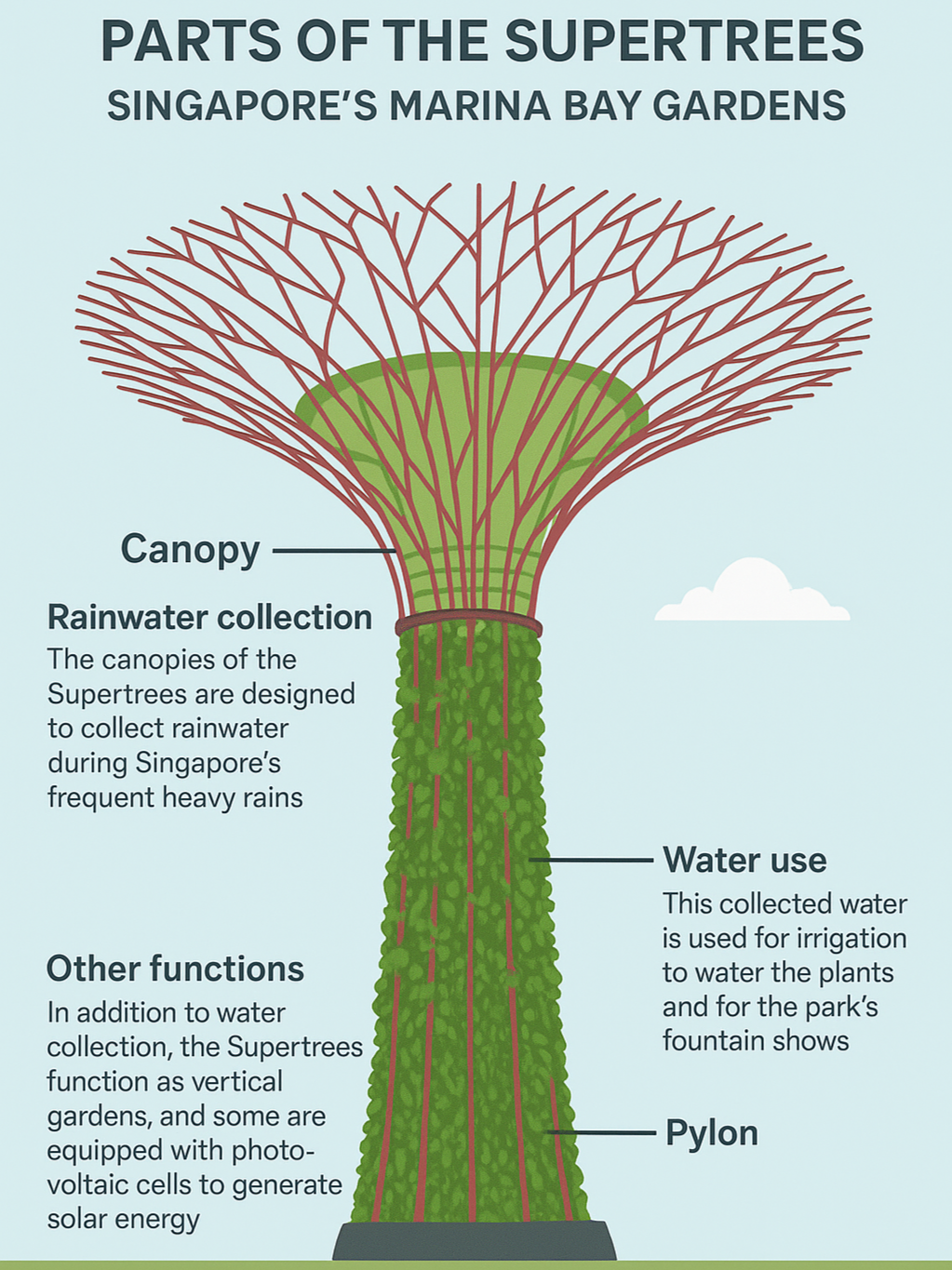
Singapore consistently embeds values into form.
Parks that double as flood control, Supertrees that generate energy while providing shade, and transit systems that privilege reliability over spectacle all communicate a central ethic: collective wellbeing matters.
STOLO Insight:
Values are not what cities say—they are what cities build.
Through the STOLO lens:
Infrastructure expresses whether a society prioritizes convenience or care
Multi-use systems signal respect for land, people, and resources
Beauty is treated as a public right relative to community culture, not a luxury
Singapore’s infrastructure reflects a value system where stewardship, efficiency, and dignity actually coexist.
Self-Esteem: Infrastructure That Signals Belonging and Worth
Well-maintained, thoughtfully designed public spaces send a powerful message: you matter here.
Singapore’s housing estates, transit stations, and parks are clean, intentional, and designed for daily dignity. There is no separate standard for “essential” spaces versus “beautiful” ones.
STOLO Insight:
Self-esteem is not an individual trait that lives in a vacuum—it is socially and environmentally reinforced.
Under STOLO:
Infrastructure can either affirm or erode human dignity
Neglected spaces teach people to expect neglect
Careful design communicates collective respect
Singapore’s approach shows how public systems can quietly reinforce confidence, pride, and belonging—especially for everyday residents.
Economic Power: Infrastructure as an Engine of Shared Prosperity
Singapore treats infrastructure as long-term economic strategy, not short-term expense.
Reliable water, efficient transit, climate-resilient design, and public amenities reduce household vulnerability and stabilize the broader economy. Infrastructure lowers risk, increases productivity, and attracts investment without sacrificing livability.
STOLO Insight:
Economic power grows where basic systems are trustworthy.
Through STOLO:
Infrastructure redistributes opportunity by reducing daily burdens
Predictable systems allow households to plan, save, and invest
Public goods become platforms for private growth
Singapore illustrates how human-culture-centric infrastructure creates conditions where economic participation is possible for more people—not just a few.
Justice: Planning for Those Not Yet at the Table
Perhaps Singapore’s most instructive lesson is its commitment to long-range planning.
Water independence, climate adaptation, and land scarcity are addressed decades ahead. Future residents—who cannot vote or advocate yet—are treated as legitimate stakeholders.
STOLO Insight:
Justice must include those who are absent, marginalized, and not yet born.
Under STOLO:
Justice means proactively designing systems that do not externalize harm
Long-term planning with intentional cultural inclusion is an ethical obligation
Infrastructure decisions reflect who and what a society believes deserves protection
Singapore’s foresight reframes justice as prevention, not remediation.
Infrastructure Is What A Community Loves Made Structural
Singapore’s infrastructure shows us that love can be institutionalized. When I saw the Supertrees at Marina Bay Gardens, I asked myself, “Who’s children designed this? What goodness was instilled in them to be able to innovate this way? And, what type of leader had the values and esteem to honor this vision?” When viewed through STOLO’s five pillars, I marvelled at how this is made feasible in the work we do.
Language that builds trust
Values embedded in form
Self-esteem reinforced through dignity
Economic power expanded through stability
Justice honored through foresight
The lesson is not that every city should (or can) copy Singapore—but that every city should ask:
Does our infrastructure love the people it serves?
Because when systems are built with care, they do more than function.
They teach. They protect. They endure.
